The vaginal microbiome is a dynamic ecosystem whose composition and balance are influenced by a range of factors, including age, pregnancy, hormonal status, previous treatments, and other physiological conditions. A balanced vaginal microbiota plays a vital role in women's health, making accurate assessment an essential part of modern gynecological and reproductive healthcare. Growing evidence links vaginal dysbiosis to a wide range of gynecological and reproductive health conditions, highlighting the need for precise, comprehensive diagnostic solutions.
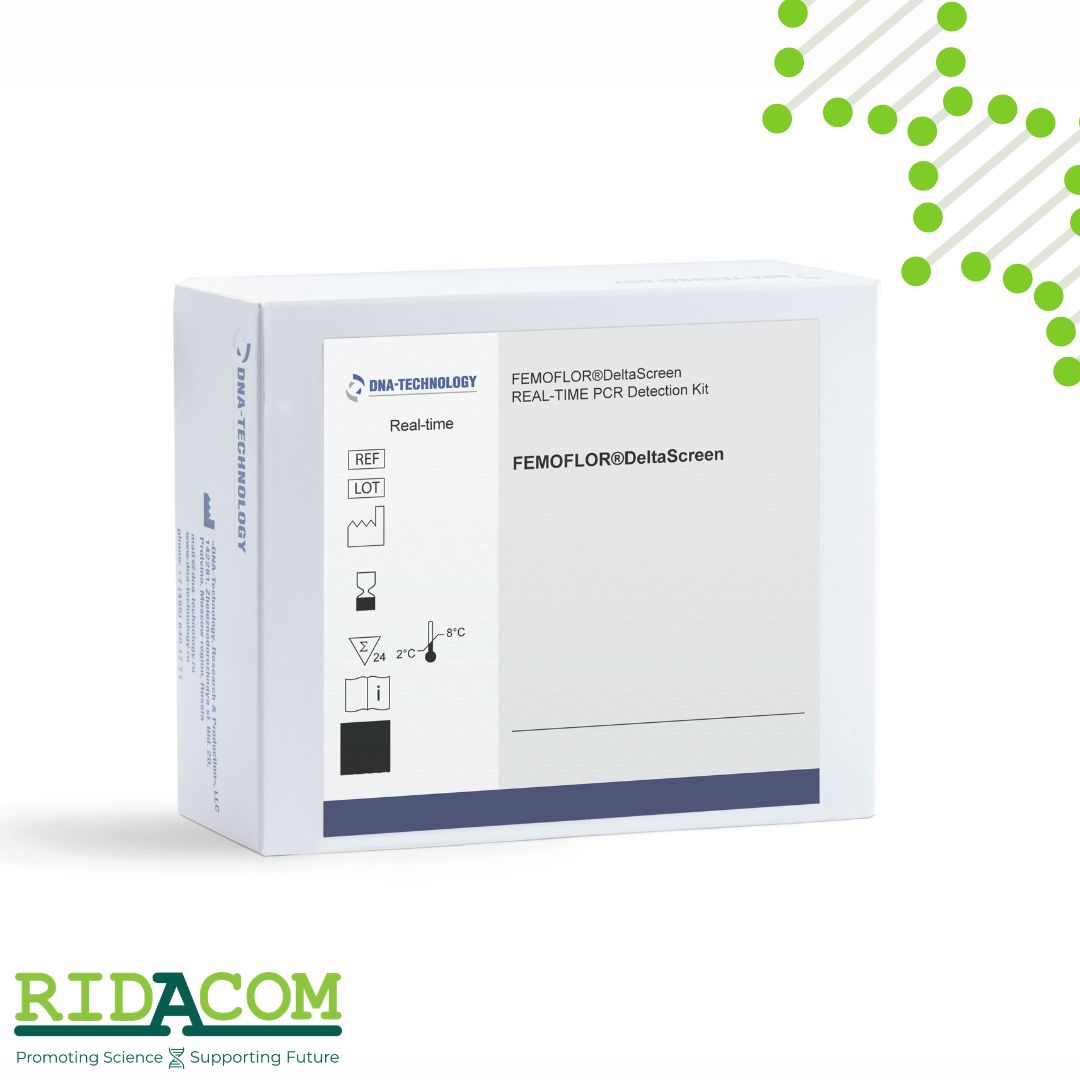
FEMOFLOR® DeltaScreen is a quantitative molecular diagnostic panel designed for the comprehensive investigation of infectious and inflammatory conditions of the female reproductive tract. The assay provides an integrated assessment of key microbial targets, including:
- Normal microbiota representatives (Lactobacillus spp. with differentiation of Lactobacillus iners and Lactobacillus non-iners)
- Facultative anaerobes (aerobes)(Staphylococcus spp.; Streptococcus spp.; Streptococcus agalactiae; Enterobacteriaceae; Enterococcus spp.; Haemophilus spp.)
- Obligate anaerobes (Gardnerella vaginalis; Fannyhessea (Atopobium) vaginae; Mobiluncus spp.)
- Mycoplasmas and ureaplasmas (Mycoplasma hominis; Ureaplasma urealyticum; Ureaplasma parvum)
- Yeasts of the genus Candida (Candida spp.; Candida albicans)
- Sexually transmitted pathogenic microorganisms (Chlamydia trachomatis; Neisseria gonorrhoeae; Mycoplasma genitalium; Trichomonas vaginalis)
- Herpes viruses (HSV-1, HSV-2, and Cytomegalovirus (CMV))
CHARACTERISTICS AND ADVANTAGES OF THE METHOD:
- Assessment of microbiome status by determining the relative proportion of normal microflora, aerobes and anaerobes against the total bacterial load (TBL).
- Quantitative determination of the opportunistic microflora and its proportion relative to TBL, to identify the dominant microorganism or group and indicate the type of dysbiosis (bacterial vaginosis / aerobic vaginitis).
- Differentiation of Lactobacillus iners and Lactobacillus non-iners for a preliminary assessment of normal-microbiota status (L. iners is a transitional species with a lower protective capacity than other lactobacilli).
- Simultaneous qualitative and quantitative detection of clinically significant STI pathogens and herpesviruses.
- Built-in quality control: sample-collection control via human genomic DNA and total bacterial load, plus an internal control (IC) to assess the quality of PCR in each tube.
- Enables targeted therapy against the identified pathogens and monitoring of its effectiveness over time (including in patients on antibiotic therapy – with careful interpretation by a specialist, as antibiotics may influence the result).
VALIDATED SAMPLE TYPES FOR ANALYSIS:
- Epithelial swab from the mucous membrane of cervical canal and vagina.
- The method is also validated for diagnostic material from liquid-based cytology, as well as for samples collected using self-sampling kits.
KIT CONTENT:
- Preloaded ready to use PCR mix - 24 x 8-PCR strips
- Taq-polymerase - 2 x 1.0 mL
- Mineral oil - 4 x 1.0 mL
- Positive control - 160 μL
Storage: from 2°С to 8°С
Expiration date: 12 months